Engineering Critical Infrastructure for Sustainable Growth
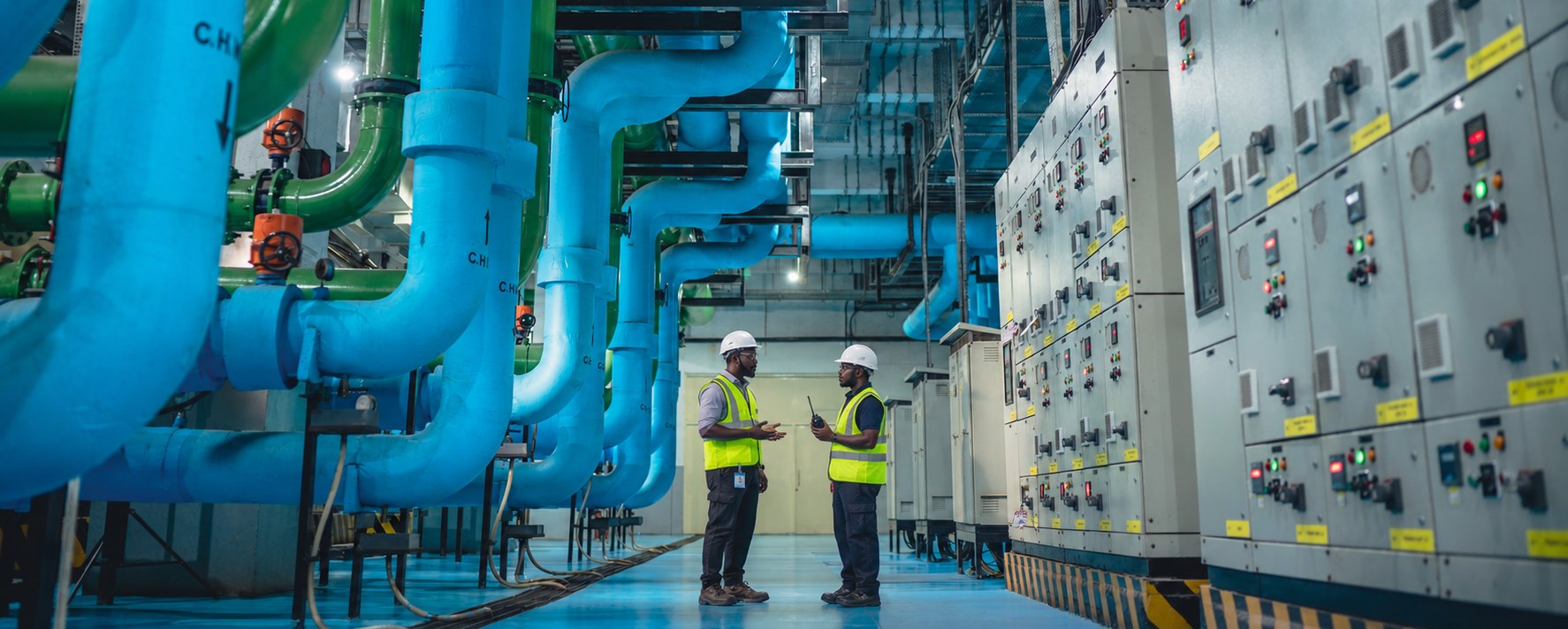
We design and deliver resilient infrastructure systems across power, water, utilities, environmental engineering and building technologies, supporting the industries, institutions and communities that drive sustainable development.
We deliver infrastructure solutions that bring buildings, utilities, energy systems and engineering services together as one coordinated development. Our approach is focused on reliable operation, long-term performance and infrastructure that can grow with the needs of the client.
Critical infrastructure for demanding environments
We support facilities where reliable power, water, environmental control, safety and digital systems are essential to everyday operations. Our infrastructure solutions are planned around the specific technical, regulatory and operational requirements of each sector.
Healthcare & Life Sciences
Healthcare, pharmaceutical and research facilities depend on infrastructure that must perform reliably every day. We provide the utility, environmental and safety systems required to support clinical care, laboratory work, regulated production and scientific research.
What the infrastructure has to doReliable electrical systems, medical and clean utilities, controlled ventilation and air quality, treated water, pressure control and life-safety systems.
SectorsHealthcare · Pharmaceuticals · Research
Organisations we supportHospitals · Pharmaceutical Manufacturers · Research Institutions · Laboratories
Systems most often involvedPower & Electrical Resilience · HVAC & Clean Utility Systems · Water & Environmental Systems · Fire, Safety & Facility Protection
Infrastructure is the foundation of every productive facility. Power, water, mechanical systems, environmental controls and safety infrastructure directly affect whether a facility can operate safely, maintain production, control costs and grow over time. We therefore plan infrastructure around operational requirements from the beginning, with reliability, efficiency, resilience and future capacity considered as part of one coordinated system.
Every infrastructure decision should support safe, reliable and long-term operation.
Reliable Infrastructure
Safe OperationsSafety, protection and life-safety systems are considered from the earliest stages of design.
Continuous OperationsRedundancy and standby systems are planned so that critical operations can continue during faults, maintenance or supply interruptions.
Energy EfficiencyEnergy demand, equipment selection and control systems are considered together to improve efficiency and reduce unnecessary operating costs.
Operational ResiliencePower, water, environmental and operational risks are identified early and addressed through appropriate engineering solutions.
Future ExpansionCapacity, space and infrastructure routes are planned with future growth in mind, reducing the need for major rebuilding later.
Across every system
Digital Monitoring & ControlMonitoring and control systems provide better visibility over performance, energy use, equipment condition and faults.
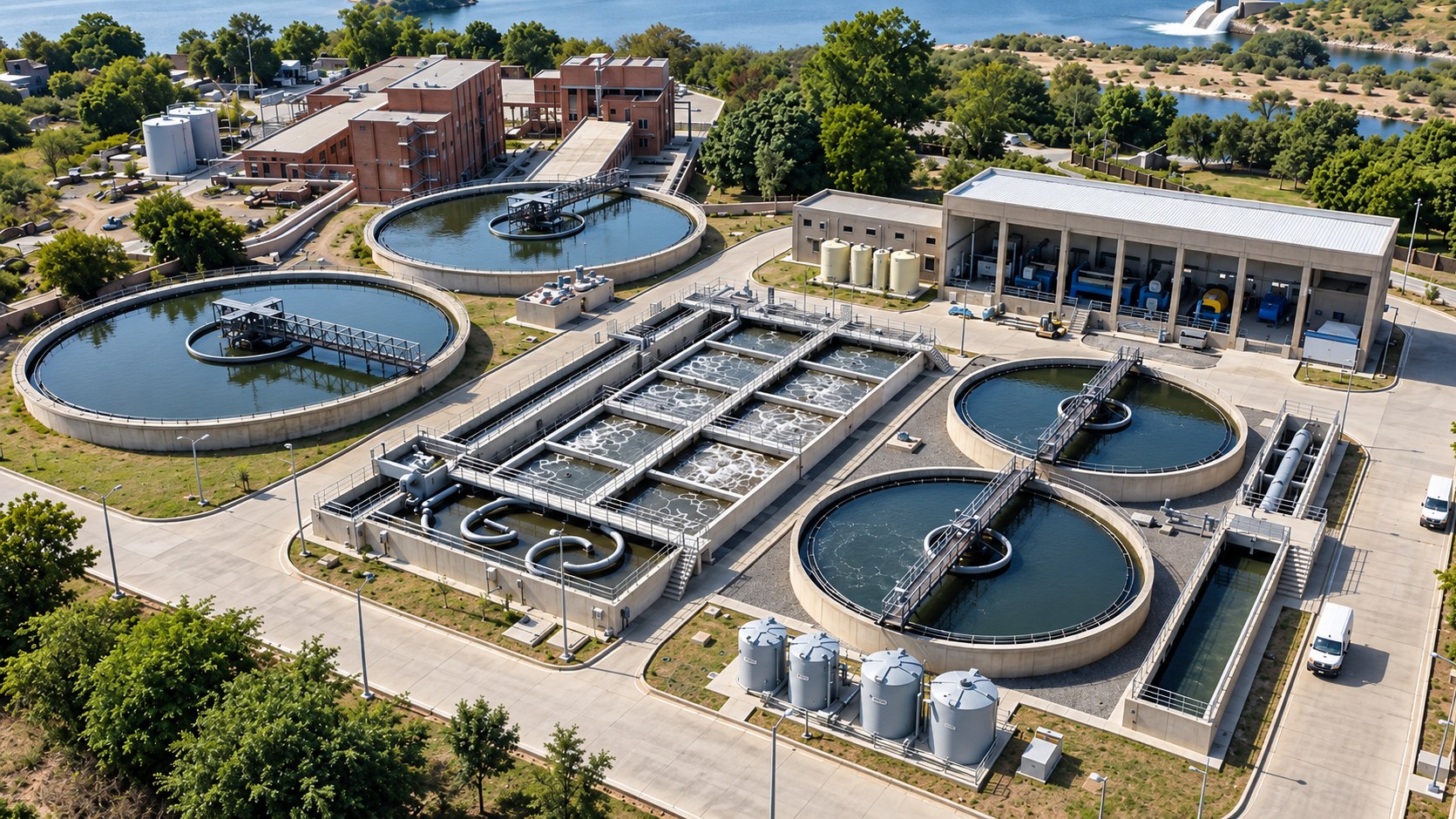
Environmental PerformanceResource use, emissions, effluent and environmental requirements are considered as part of infrastructure planning and design.
Core Capabilities
Integrated utility systems for reliable facilities
BC Group Africa brings together six essential utility systems through a coordinated engineering approach. Rather than designing and installing each system independently, the Group integrates them into a unified infrastructure design to ensure reliable performance, efficient operation and effective coordination across the facility.
Utility Master Planning
Before individual systems are designed, we assess the facility’s current and future utility requirements. Demand, capacity, existing infrastructure, operating conditions and future growth are considered together so that each system is correctly sized and coordinated from the beginning.
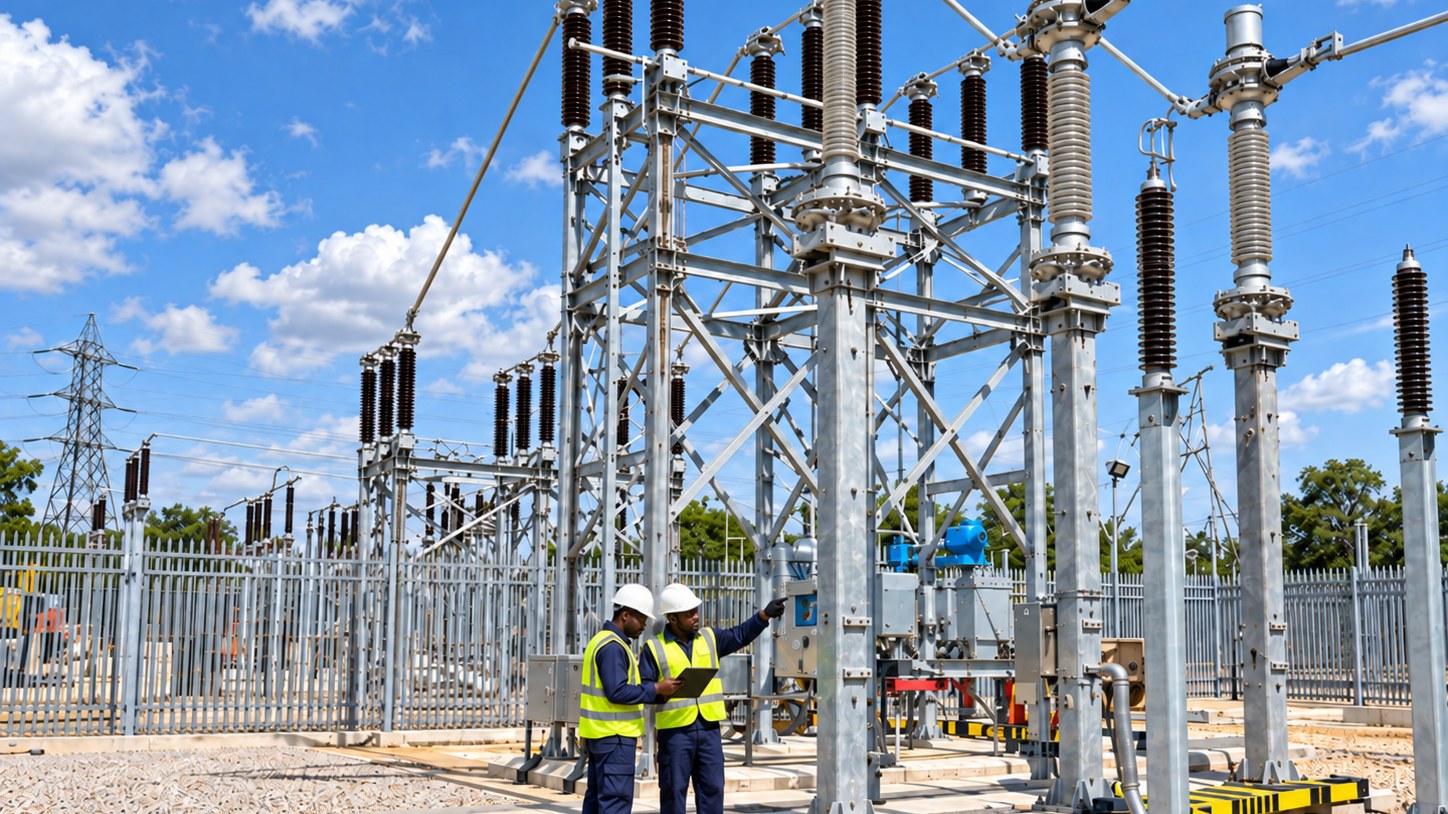
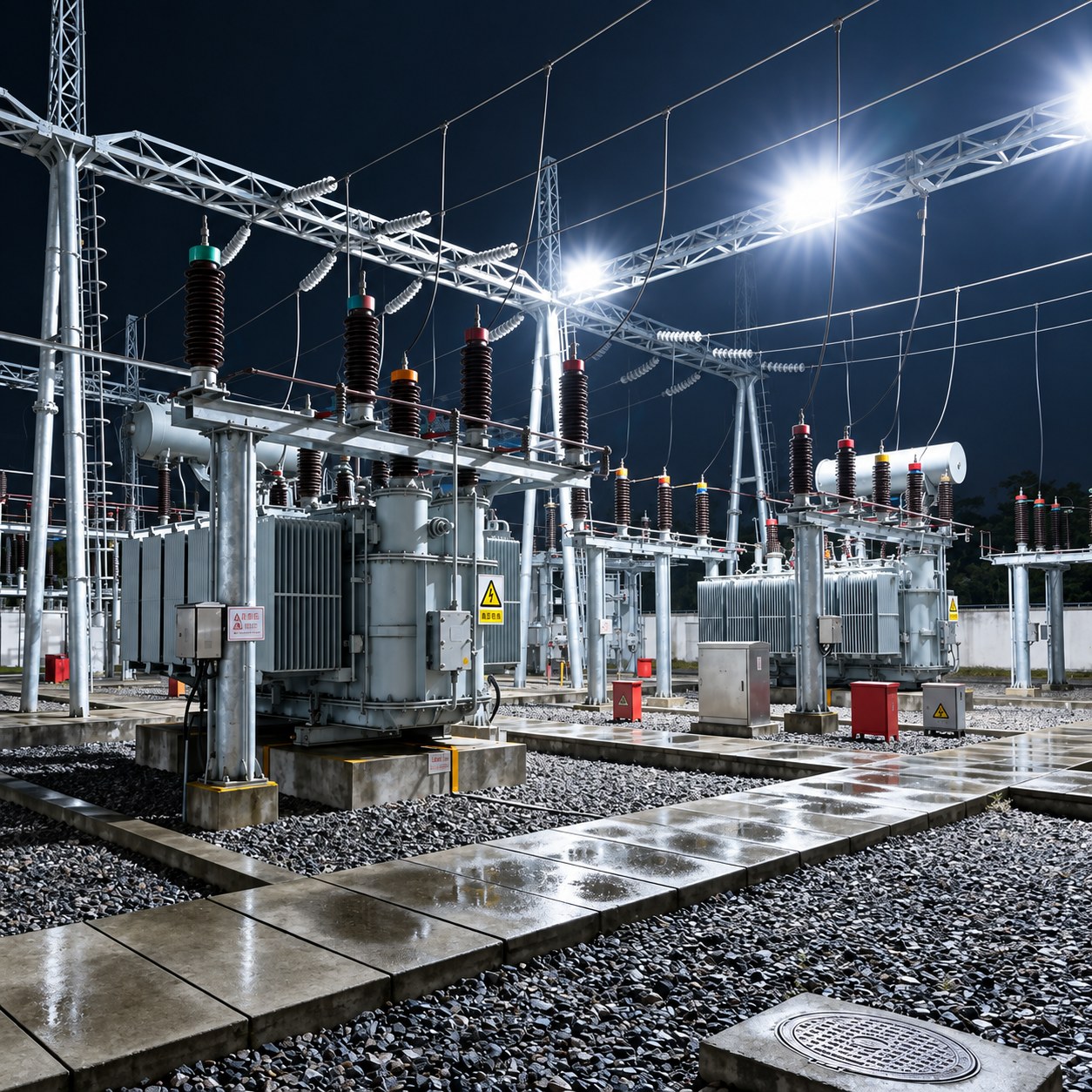
We design electrical infrastructure to provide safe and reliable power under normal operating conditions and during faults, maintenance or grid interruptions. Systems can include incoming power supply, distribution, protection, backup generation, switching and critical-load resilience.
Engineering scopeElectrical Infrastructure
Typical applicationsHospitals · Industrial Facilities · Data Centres · Educational Campuses · Commercial Buildings · Public Infrastructure
Systems and subsystems in this group
Electrical InfrastructureHigh Voltage Systems · Medium Voltage Systems · Low Voltage Distribution · Substations · Transformers · Switchgear · Backup Power · Generator Systems · Uninterruptible power supply (UPS) systems · Power Quality Systems · Electrical Protection · Intelligent Distribution Networks
Power & Electrical Resilience
We design electrical infrastructure to provide safe and reliable power under normal operating conditions and during faults, maintenance or grid interruptions. Systems can include incoming power supply, distribution, protection, backup generation, switching and critical-load resilience.
Engineering scopeElectrical Infrastructure
Typical applicationsHospitals · Industrial Facilities · Data Centres · Educational Campuses · Commercial Buildings · Public Infrastructure
Systems and subsystems in this group
Electrical InfrastructureHigh Voltage Systems · Medium Voltage Systems · Low Voltage Distribution · Substations · Transformers · Switchgear · Backup Power · Generator Systems · Uninterruptible power supply (UPS) systems · Power Quality Systems · Electrical Protection · Intelligent Distribution Networks
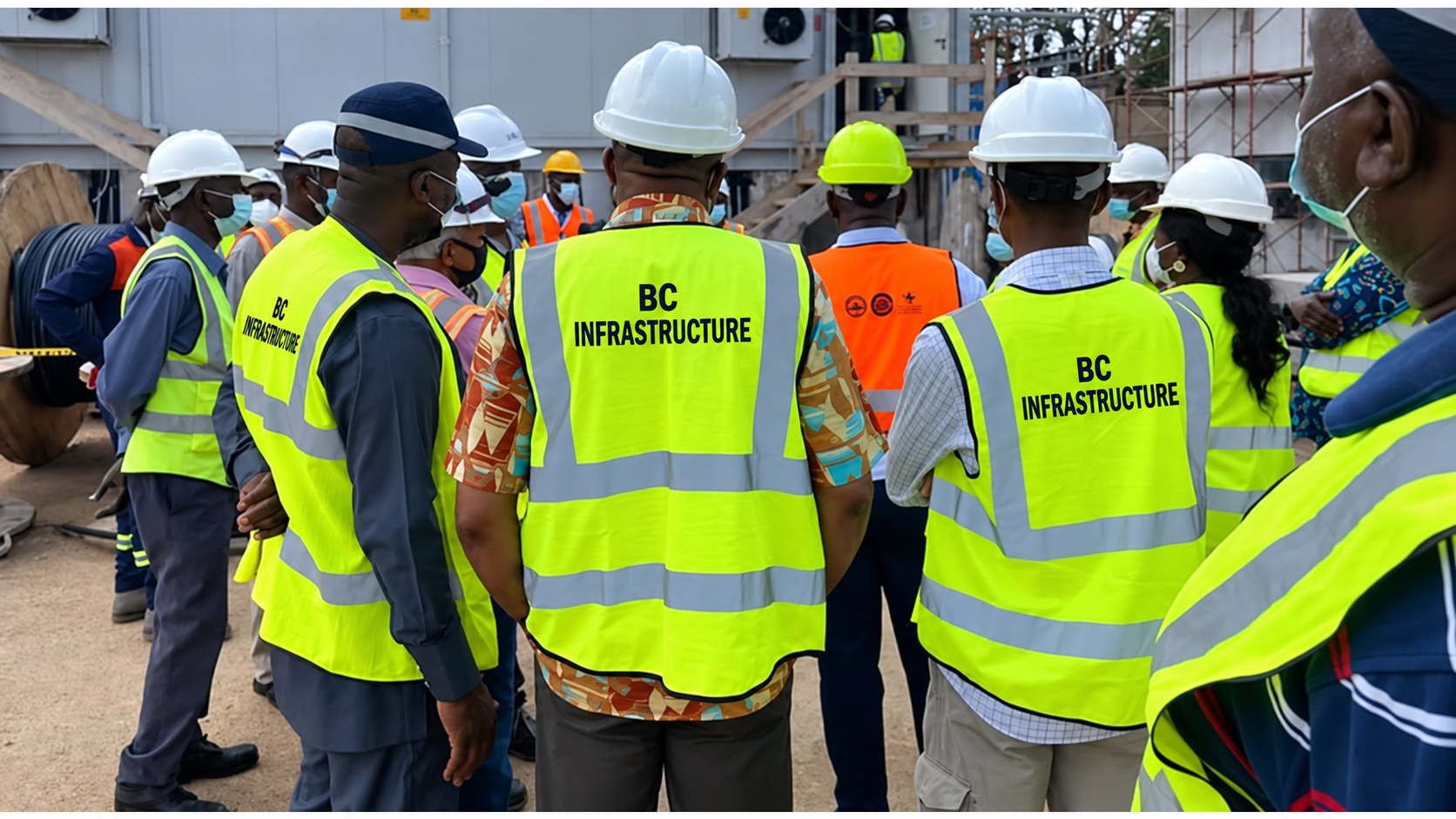
BC Infrastructure provides specialised expertise in power, water, energy, environmental systems, building technologies and critical utilities across BC Group Africa. Each specialist company retains responsibility for its sector-specific projects and services, while BC Infrastructure supports their delivery by designing, engineering and integrating essential utility and infrastructure systems. This coordinated approach ensures that facilities are supported by reliable, efficient and appropriately engineered infrastructure tailored to their operational requirements.
Shared Infrastructure PlatformBC Infrastructure
BC Infrastructure leads the planning and delivery of utility systems, building technologies, energy systems and environmental infrastructure across the Group.
BC Pharmaceuticals
BC Pharmaceuticals leads pharmaceutical facility solutions, while BC Infrastructure provides the specialised utilities and engineering systems required to support pharmaceutical operations.
Typical systemsPurified Water (PW) · Water for Injection (WFI) · Pure Steam · Pharmaceutical HVAC · Cleanroom Air Handling
BC Medicals leads healthcare facility and medical technology solutions, while BC Infrastructure supports the essential engineering systems required for safe clinical operations.
Typical systemsMedical Gas Pipeline Systems · Hospital HVAC · Backup Power · Water Storage · Fire Detection Systems
BC Scientific leads laboratory planning and specialist laboratory solutions, while BC Infrastructure provides the utilities and engineering services required to support laboratory operations.
Typical systemsClean Utility Distribution · Process Gases · Vacuum Systems · Laboratory Ventilation · Pressure Control Systems
BC Education & Technology leads educational facility development, while BC Infrastructure provides the campus utilities and engineering systems that support teaching, research and daily operations.
Typical systemsElectrical Distribution · Solar Energy Systems · Water Storage · Fire Alarm Systems · Smart Lighting · Campus Utilities
BC Hospitality leads hospitality facility solutions, while BC Infrastructure provides the utility and building systems required to support accommodation, kitchens, laundries and related services.
Typical systemsHot Water Systems · Chilled Water Plants · Water Treatment · Cold Rooms · Building Management Systems
BC Industries leads industrial equipment and production systems, while BC Infrastructure supports the civil, structural, power and utility infrastructure required for industrial operations.
Typical systemsSubstations · Process Heating · Process Cooling · Effluent Treatment · Utility Distribution · Facility Automation
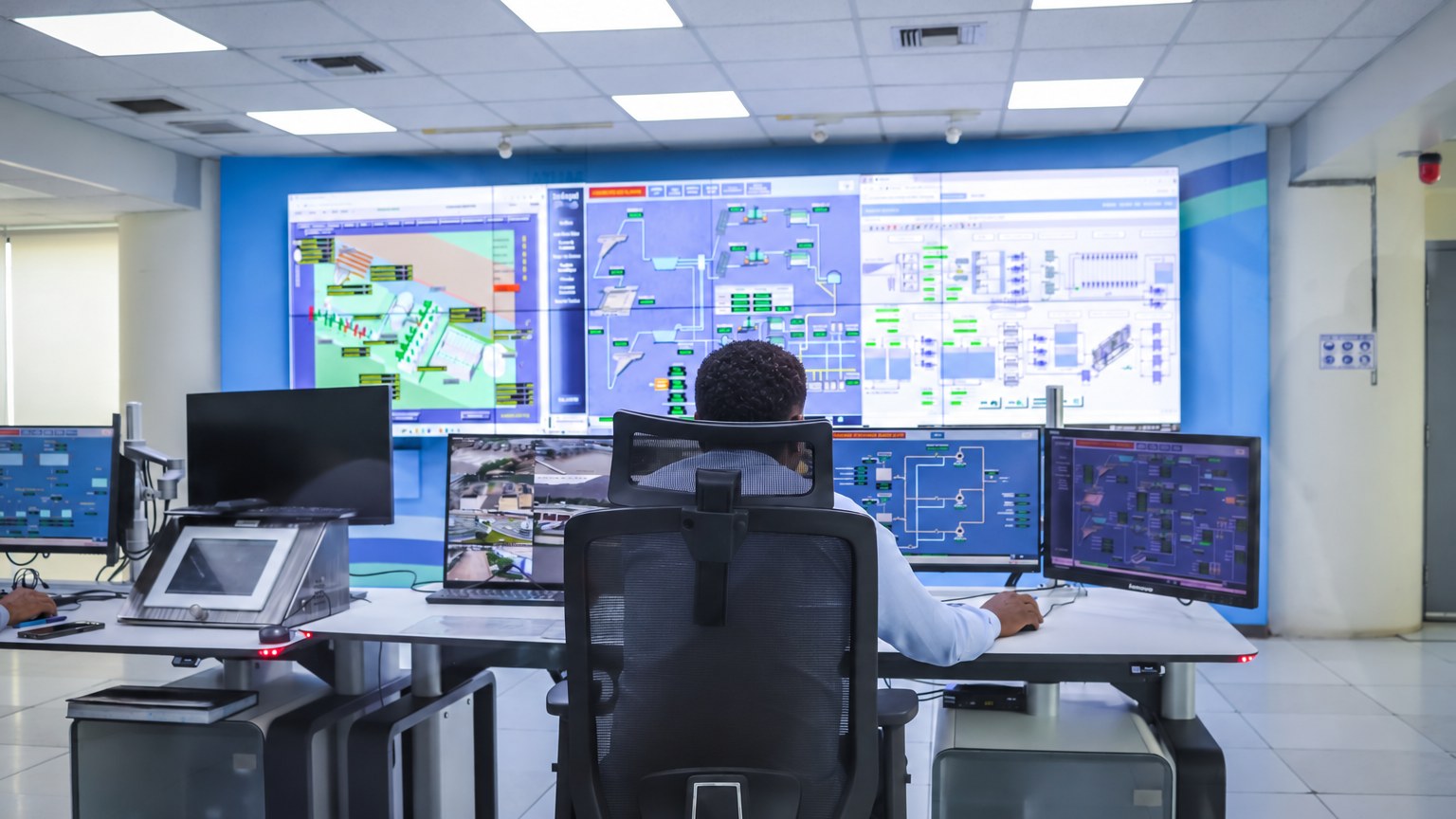
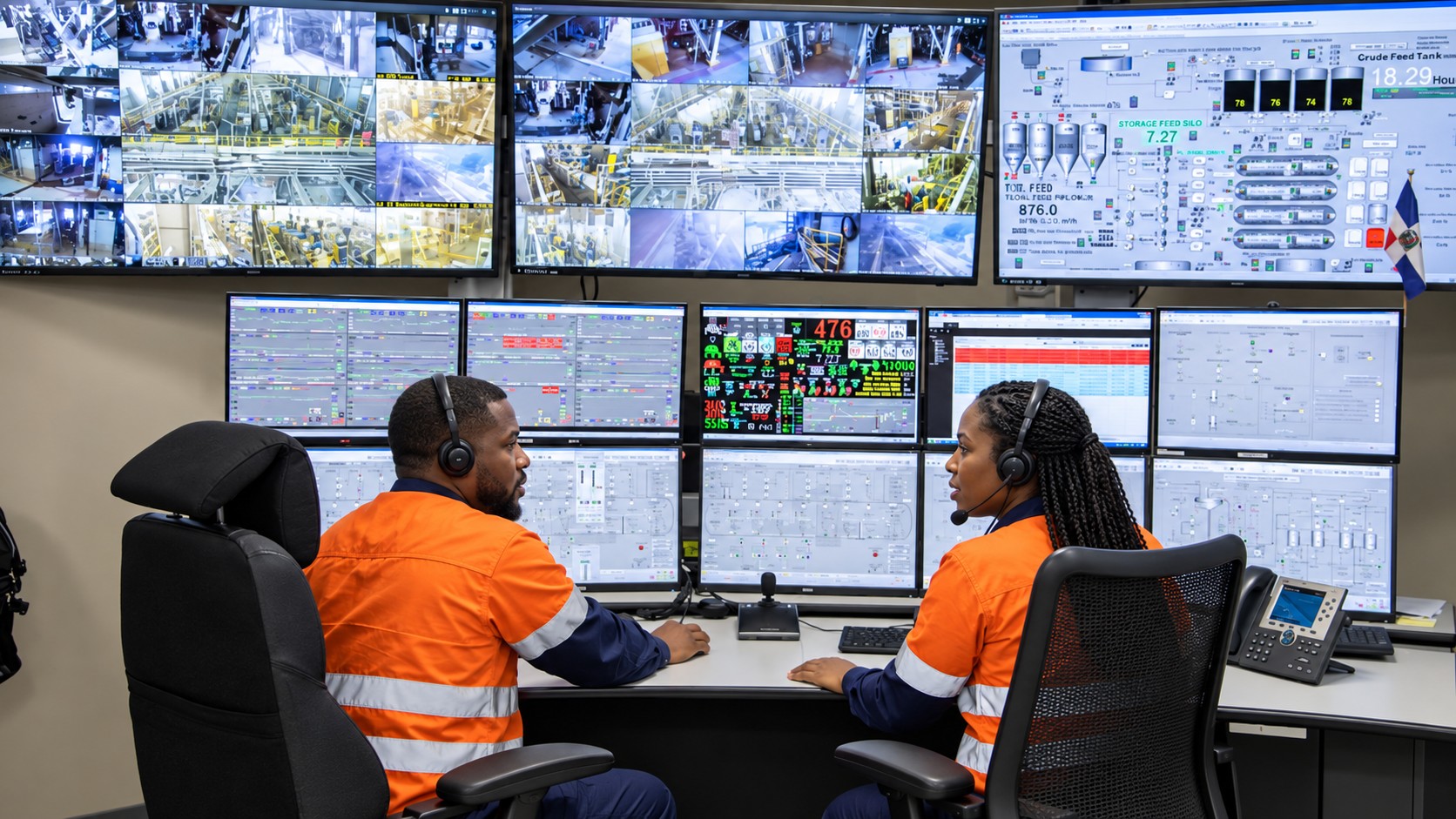
Modern infrastructure should give operators a clear view of how a facility is performing. We connect power, water, HVAC, safety and building systems through monitoring, automation and control technologies. This helps facility teams track performance, respond to alarms, identify problems earlier and make better operational decisions.
Intelligent Operations
Integrate building and utility systems so operating sequences, plant schedules and controls can be coordinated around the needs of the facility.
Building Automation · Artificial Intelligence · Digital Twins · Predictive Maintenance
Monitoring & Analytics
Bring energy use, water consumption, equipment condition and system alarms into clear dashboards that help operators monitor performance and identify problems.
Connect meters, sensors, controllers and equipment through a common communications environment so different infrastructure systems can be monitored together.
Engineering Standards Aligned with Project Requirements
The engineering standards applicable to each infrastructure project are determined by the facility’s purpose, location, regulatory requirements, client specifications and the contracted scope. BC Infrastructure identifies the relevant international, national and industry-specific standards during project planning and incorporates them into the design, engineering and delivery processes to support quality, safety, regulatory compliance and reliable long-term performance.
Engineering domainStandards & frameworks that may applyTypical application
Electrical & Energy
IEC Standards · Electrical Safety Standards · Local Utility Regulations
Power supply, distribution, protection, earthing and utility connections.
Fire & Life Safety
NFPA Standards · Local Fire Regulations
Fire detection, suppression, evacuation and life-safety systems.
Ventilation, thermal comfort, indoor air quality, emissions and environmental control.
Healthcare & Pharmaceutical Facilities
WHO Technical Guidance · GMP Requirements · Applicable Healthcare Standards
Clean utilities, classified spaces, healthcare engineering and regulated environments.
Management & Quality
Applicable ISO Standards
Quality planning, documentation, inspection, commissioning and handover.
Standards, approvals and authority responsibility
The standards listed are examples that may apply depending on project scope. Applicable standards are determined during project engineering and regulatory review; referencing a framework is never a claim of blanket compliance or certification.
Design approval, permitting, licensing, inspection and statutory acceptance remain with the relevant authorities and with the professionals contracted to certify the work. Referencing a framework describes how a project is engineered; it is not a claim of certification held, nor a guarantee of approval.
Training & Capacity Building
Strengthening Skills for Safe and Reliable Infrastructure Operations
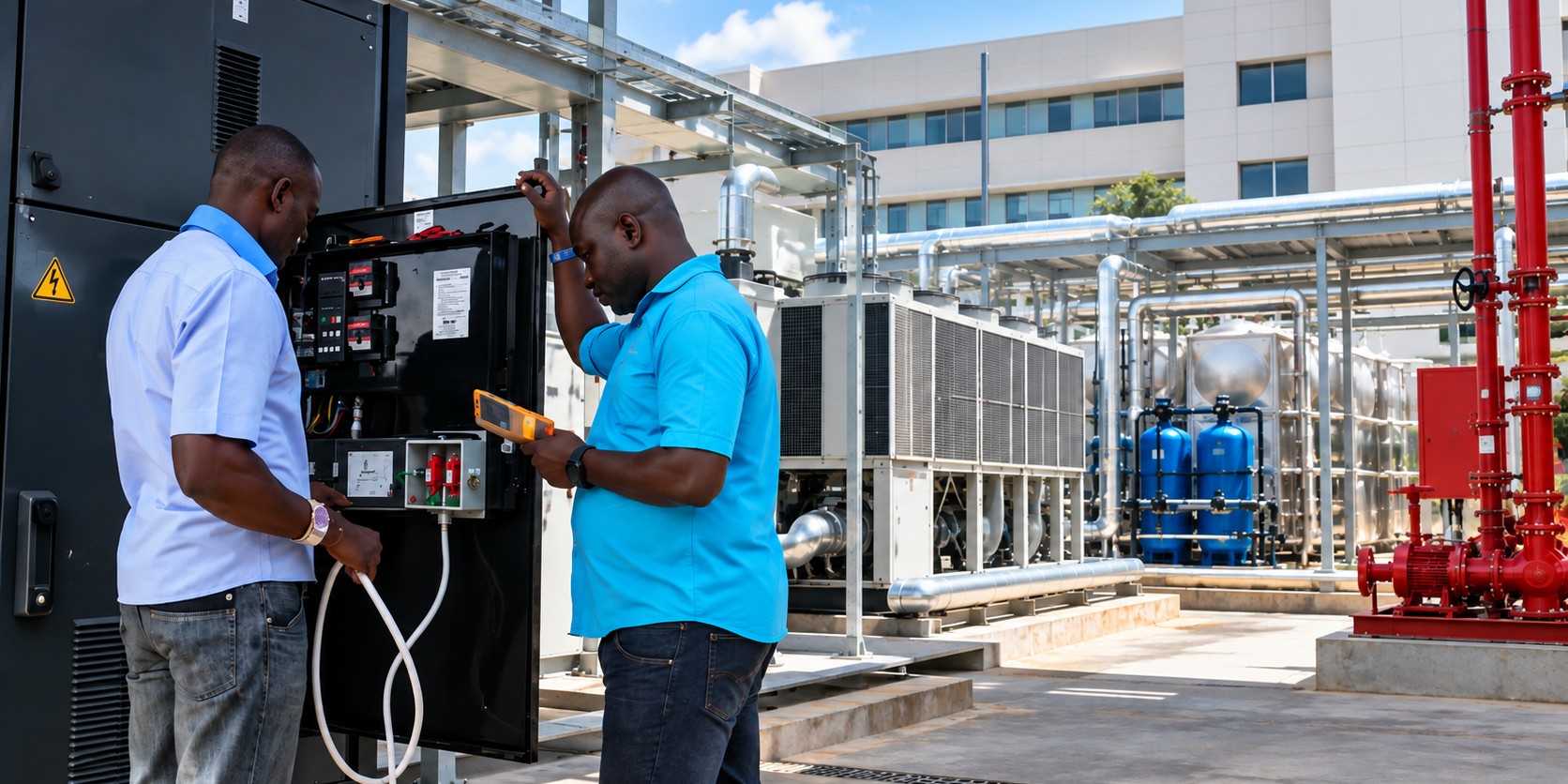
Reliable infrastructure depends not only on well-designed systems but also on the skills of those responsible for operating and maintaining them. BC Infrastructure provides practical, hands-on training for operators, technicians and facility management teams, equipping them with the knowledge and skills to operate systems correctly, identify and respond to faults, perform routine maintenance and ensure safe, efficient and reliable operations.
Operators
Providing practical training for personnel responsible for the daily operation and monitoring of utility and building systems, ensuring they can operate equipment safely, monitor performance and respond effectively to operational issues.
Utility Operator Training · Building Management System Training · Energy Management Training · System Monitoring
Technical & Maintenance Teams
Providing practical, hands-on training for technical and maintenance personnel to strengthen their skills in equipment operation, preventive maintenance, electrical safety and systematic fault diagnosis. The training supports safe working practices, effective troubleshooting and reliable equipment performance.
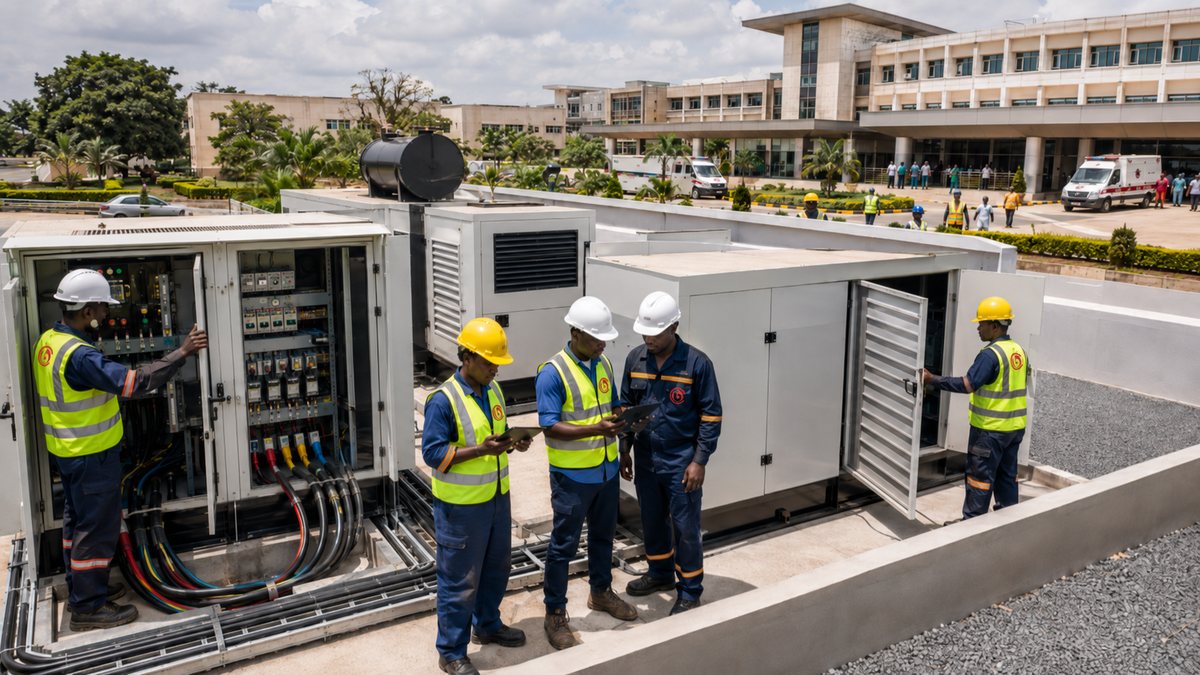
Installation of Standby Power Systems, Bolgatanga Regional Hospital
A standby power project for Bolgatanga Regional Hospital. The project scope covered the supply, installation, testing and commissioning of standby gen…
Supply of IT and office equipment for the Ghana School of Law in Accra, covering cabinets, scanners, and split and standing air-conditioning units, de…
Upgrading and construction of dormitories, classroom blocks and science laboratory facilities to improve academic delivery, student accommodation and …
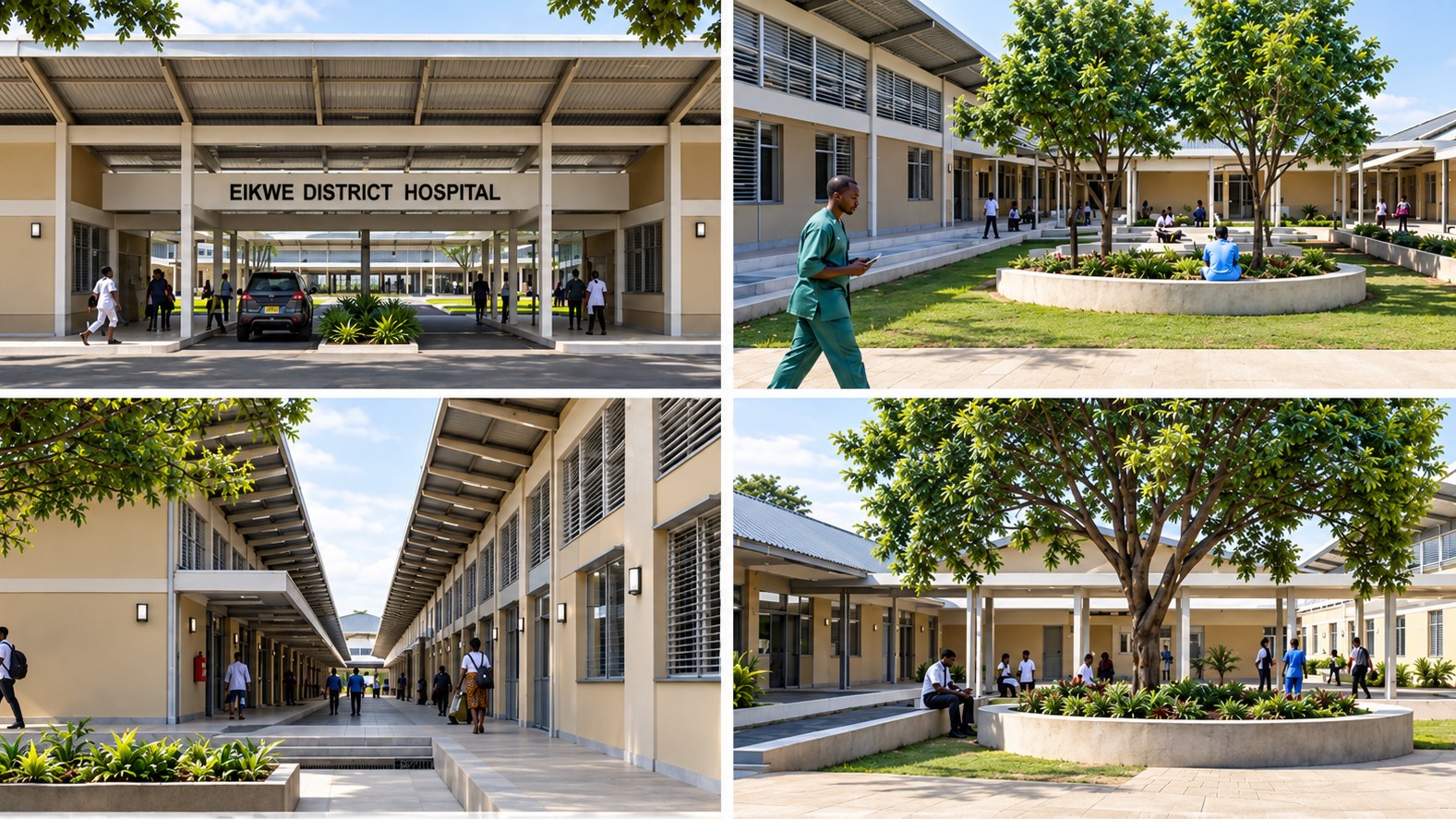
Upgrading, Construction and Equipping 18 Hospitals in the Western Region of Ghana under the “Healthy Mother and Child Project”(ENI Foundation)
Comprehensive upgrading programme supporting the transformation of eighteen healthcare facilities into fully functional district hospitals through inf…
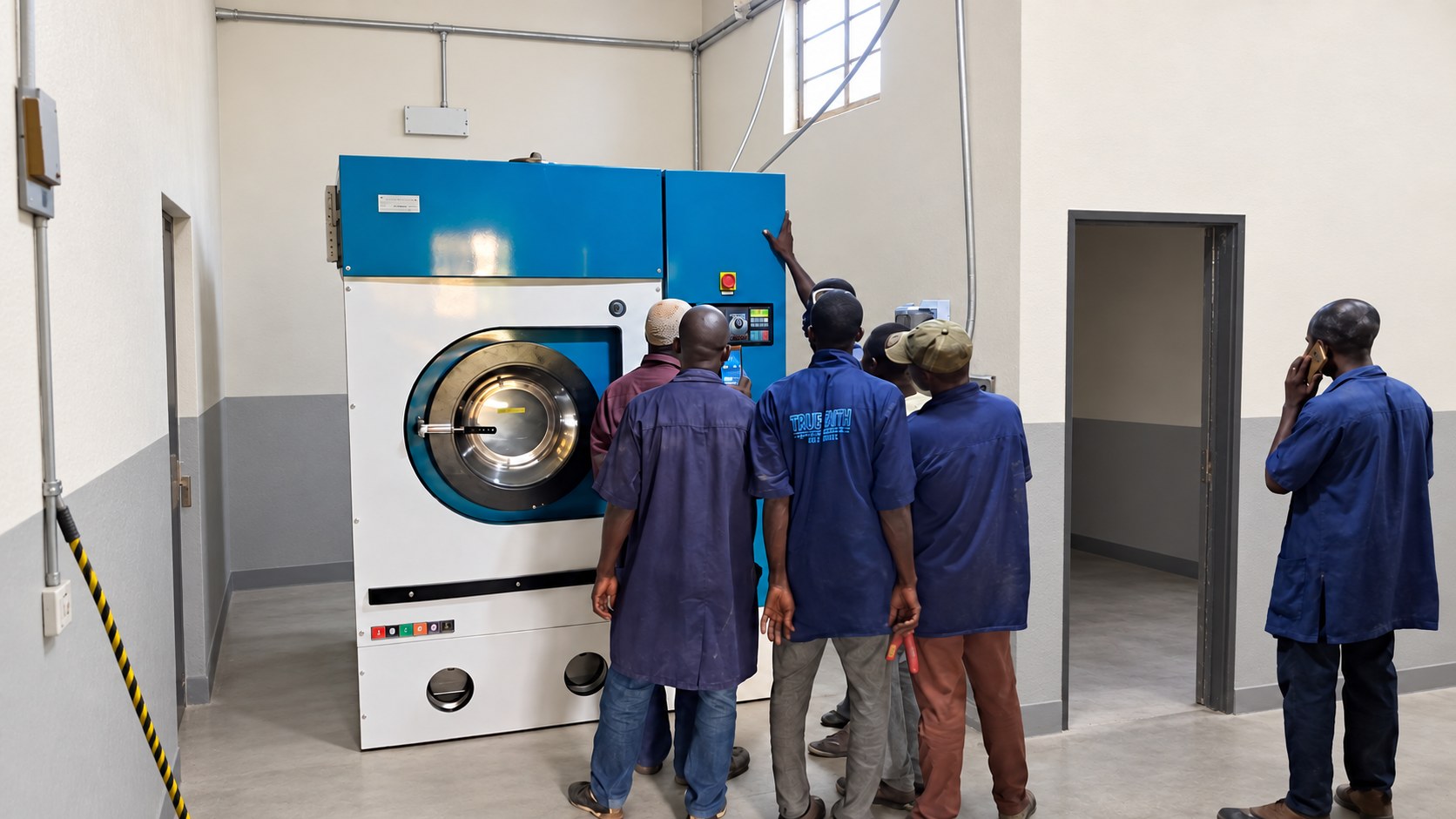
National Hospital Laundry Infrastructure Programme (12 Hospitals)
A national programme covering purpose-built hospital laundry facilities and the supply, installation and commissioning of commercial healthcare laundr…
Our focus is not only on completing the installation. We consider how the infrastructure will perform throughout its operating life, so systems can be operated, maintained and expanded effectively as the facility grows.